Nikos Goulas
ngoulas@aegean.gr
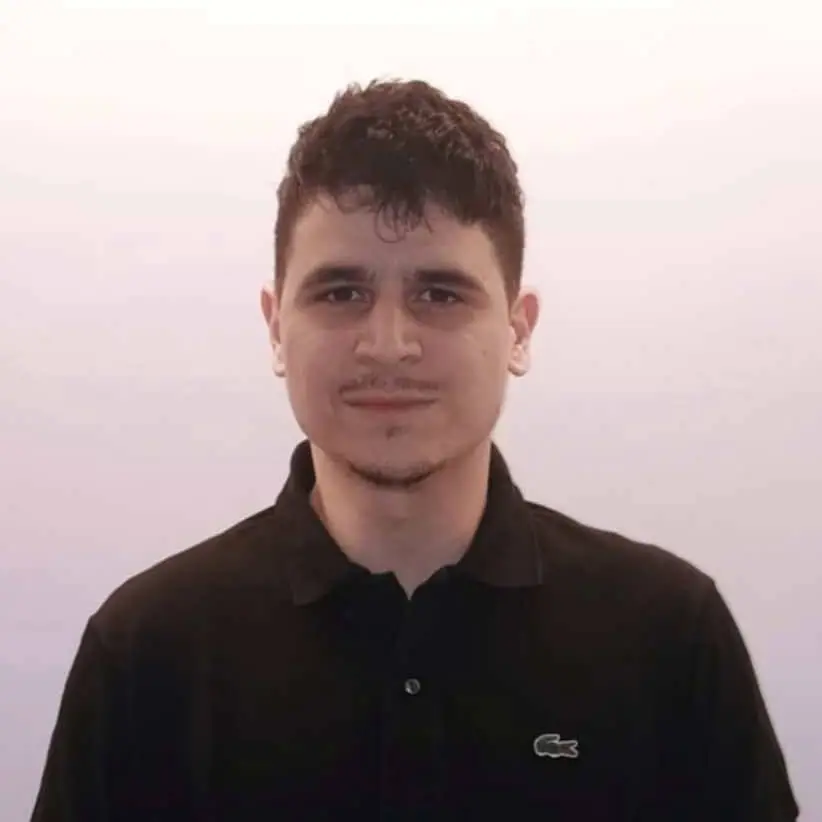
Nicolaos Goulas is a UAV Engineer and Remote Pilot with a Master of Engineering degree in Production and Management Engineering, and specialized postgraduate studies in Unmanned Autonomous and Remote Controlled Systems. He has strong hands-on experience in UAV systems, including building, testing, and operational flight missions. His expertise includes system-level integration of avionics, including autopilots, communication systems, and onboard sensors. He has conducted extensive UAV flights under diverse conditions, including system testing, real-world missions, and simulated tactical scenarios. Currently, Nicolaos is a PhD Candidate at the Department of Product and Systems Design Engineering, University of the Aegean, conducting research on motion algorithms for autonomous unmanned vehicles, with applications in monitoring and rescue operations.
Thomas Kogias
tkogias@aegean.gr
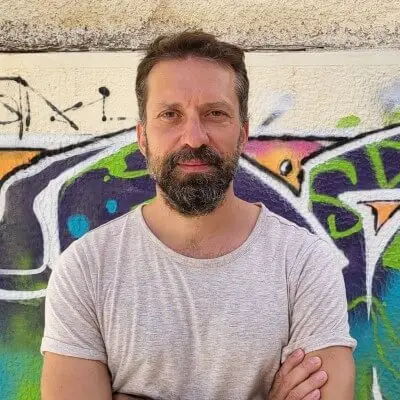
Thomas Kogias is a computer science educator and researcher at the University of the Aegean, where he teaches subjects such as web development, software engineering, and information systems. As a founding member of the SmartMove Lab, he specializes in autonomous marine systems and intelligent maritime technologies, focusing on real-world integration through custom communication and control solutions. He actively involves students in applied lab work and research, led the university's team in the first Aegean RoBoat Race, and contributes to EU-funded projects, including AR-based maritime training tools and mobile software development.
Nikos Sapountzis
nsapountzis@aegean.gr
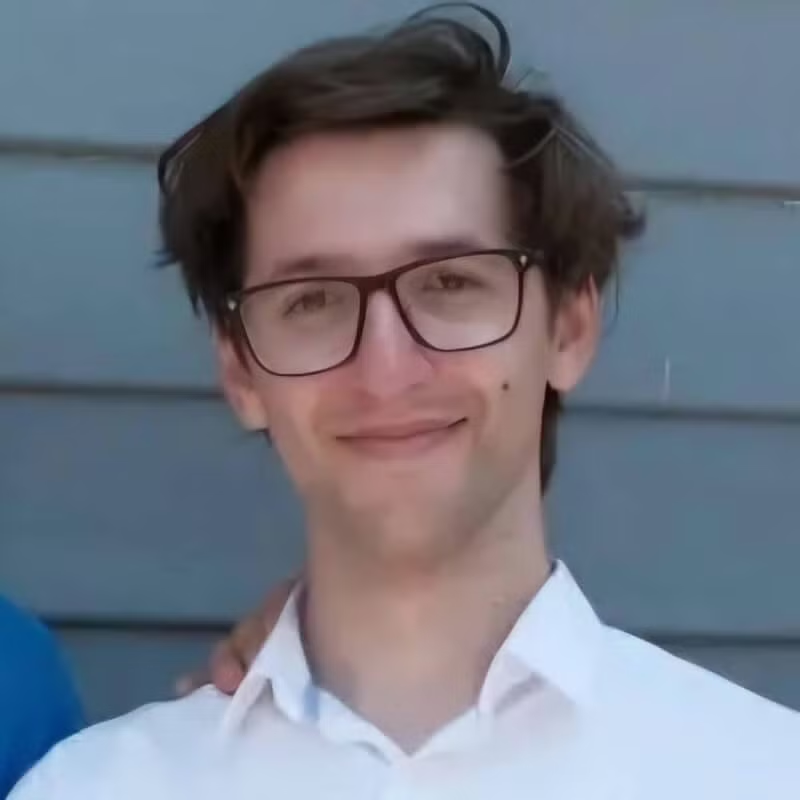
Nickolas Sapountzis is a research intern in the Intelligent Transportation Systems Lab (SmartMove) at the Department of Product and Systems Design Engineering of the University of the Aegean. He specializes in the development and deployment of autonomous surface vessels, with a primary focus on programming. This includes writing and optimizing software for real-time decision-making, sensor integration, and path planning. In addition to programming, he also deals with interfacing hardware components such as IMUs, GPS modules, LIDAR, and microcontrollers. His responsibilities also extend to the design phase where he helps model and prototype the physical structure of the USVs using CAD tools and rapid prototyping methods such as FDM. Beyond technical contributions in programming and design, Nick also serves as a USV pilot for field operations. This dual role of lab-baaed development and fieldwork helps Nick bridge theory and application, ensuring that the lab's systems are technically robust and mission-ready for real world maritime environments.